Annual
highlights

In 2025–26
Portfolio activity in 2025–26
The global investment environment continues to be complex. We have responded with a clear focus on portfolio resilience.
In November 2025, we released our first position paper on Portfolio Resilience, outlining a collection of exposures designed to achieve target returns across a wide range of future scenarios. The paper reflects our views emerging from the New Investment Order, namely the increasing risk of more frequent and intense shocks across global economies, and social and environmental systems.
By rethinking our approach to portfolio construction and how to better achieve our mandate, this focus on portfolio resilience ensures our investment portfolio stays aligned with our long-term investment goals.
As a result, portfolio activity has centred on two focal points:
- Enhancing long-term returns
- Protecting real wealth through building a resilient portfolio.
This effort has meant we made around $50 billion of change across the portfolio for the 2025–26 financial year alone, with changes totalling close to $340 billion since May 2021.
The following diagram updates our portfolio construction evolution and process.

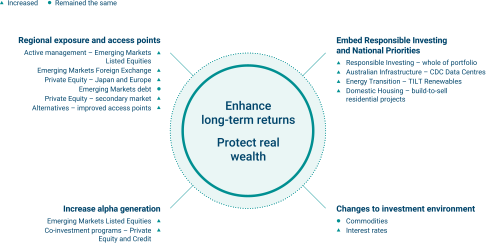
Focusing on the highlighted zones in the diagram above:
-
We worked across the portfolio to
embed responsible investing and climate
into our investment approach. Examples include alternatives
and listed equities, where we worked on practical and
proportionate approaches to better integrate
responsible-investment considerations into complex
investment strategies, strengthening the management of
climate, governance and reputational risks for the total
portfolio.
We further implemented national priorities into the portfolio build, through Australian infrastructure, national energy transition and the supply of domestic housing – noting our statutory responsibility to maximise returns and independently make commercial decisions.
In the context of Australian infrastructure, we provided additional capital to CDC Data Centres across the financial year to fund construction of its growing digital infrastructure pipeline.
Focusing on Australian infrastructure and national energy transition, we increased our ownership of Tilt Renewables. New wind farm projects now under construction in South Australia and Western Australia have taken Tilt’s pipeline of generating capacity in operation under construction to 2.3 GW.
Finally, with regard to the supply of domestic housing, we established a new mandate with an experienced manager focused on residential development financing in Australia. This mandate supports the construction phase of residential projects while delivering against our portfolio objectives. -
As discussed in the 2024–25 Year in Review, we refreshed and
integrated our long-term, top-down scenarios to reflect the
institutional and policy changes anticipated in the New
Investment Order, allowing us to better prepare our
portfolio and investment process for possible future paths.
A key focus for us across the 2025–26 year has therefore
been to
better understand changes in the long-term investment
environment
and make changes to the portfolio accordingly.
These portfolio changes, across major liquid asset classes – listed equities, interest rates currency and commodities – totalled around $26 billion across the 2025–26 financial year and reflected a more fractious and volatile investment environment.
We also continue to rely less on global interest rate exposure as a source of whole of portfolio diversification, instead leaning more into alternatives, commodities and currency as this source. That said, with heightened volatility experienced across interest rate markets in 2025–26, we used this period as an opportunity to make changes to our rates positioning to reflect moves in valuations. This activity resulted in a small increase in our holdings of interest rate exposure across the financial year.
We continue our focus on alpha generation (active management) to enhance long-term returns. Increasing sources of alpha generation across the portfolio has been an ongoing theme of our portfolio activity since devising the New Investment Order in May 2021 and this approach reflects our ongoing belief that active management will be better rewarded in an environment where geopolitical risk, and higher to more volatile inflation and interest rates, make market/beta returns less certain. A key example of this is the implementation of an active mandate in emerging market equities during 2025–26.
We also expanded our Private Equity co-investment program by establishing dedicated co-investment vehicles with core manager relationships, increasing co-investment flow and improving implementation efficiency. We also undertook a gradual expansion of our co-investment activity in Credit, with a focus on private credit opportunities.
-
Finally, we continued to review
regional exposures and best access points
given identified long-term geopolitical drivers, in parallel
with our ongoing preference for domestic infrastructure
assets.
Regarding regional exposures, during the financial year we implemented an active emerging market Listed Equities strategy with Northcape, an Australian-based emerging markets manager, reflecting a persistence of inefficiencies across emerging markets that can be better harvested through investor skill rather than through passive market risk.
We concluded a review of our emerging market debt strategy, resulting in a shift in exposures between our existing managers in this strategy, as well as increasing our overall level of emerging market foreign exchange.
We established new private equity manager relationships in Japan and European markets, as well as a strategic shift into new manager relationships in European high-yield and private credit.
On seeking out best access points, we conducted a whole-of portfolio review of our Alternatives strategy, concluding with a decision to concentrate capital with our highest conviction managers, as well as rebalance away from strategies that were either well covered elsewhere across the portfolio or where the forward-looking contribution to the portfolio had declined. Under Alternatives, we also continued to build out the capacity to act as a provider of capital during periods of market stress, partnering on vehicles designed to step into dislocations.
In addition, we also utilised the Private Equity secondary market, given its increasing importance and source of liquidity, by participating in several secondary transactions as either seller or buyer.
Twenty years of investing

In May 2026, we marked a significant milestone – 20 years of investing at the Future Fund.
The Future Fund was launched at a time when the Australian economy was in a strong position; supported by a mining boom, a 30-year low in unemployment and at a point when the Australian Government eliminated net debt.
Over the past two decades, we have navigated significant global economic change, continuously refining our investment approach to adapt to evolving market conditions while maintaining a clear focus on delivering long-term outcomes that strengthen the Commonwealth’s financial position.
Our strategy has been built on diversification, portfolio resilience and disciplined decision-making. What began with investments in cash and listed equities evolved into a globally diversified portfolio spanning a broad range of asset classes, particularly following the Global Financial Crisis. By investing across sectors, geographies and asset classes, we have navigated market volatility and uncertainty while remaining focused on long-term value creation.
Our responsibilities have also expanded. In addition to managing the Future Fund, we now manage six other public asset funds on behalf of the Australian Government. Together, these funds support important policy objectives, delivering benefits for Australians today while also preserving wealth for future generations.
As our remit has grown, so too has our investment activity. We have invested in a diverse range of Australian assets, including ports, airports, renewable energy, forestry and road infrastructure. Consistent with our Investment Mandate, we have had regard to national priorities such as housing, infrastructure and the energy transition, supporting Australia’s economic resilience while maintaining a globally diversified portfolio.
Our performance reflects not only the strength of our investment approach, but also the capability of our people and culture. We place strong emphasis on attracting, developing and retaining talented people, fostering diverse perspectives and maintaining a culture of constructive challenge and continuous improvement. These foundations have been critical to identifying opportunities, managing risk and sustaining long-term performance.
Strong governance has also been central to our success. Managing public assets on behalf of Australians carries a responsibility to act with discipline, independence and accountability. These principles have underpinned sound, decision-making and helped us navigate periods of market stress and uncertainty.
“We are proud of what has been achieved over the past 20 years, and our focus remains firmly on the future,” said Dr Raphael Arndt, Chief Executive Officer.
“Our performance reflects the strength of our people, our culture and our long-term approach to investing, which will continue to guide us in the years ahead.”
While our role, scale and operating environment have evolved considerably over the past two decades, our purpose remains unchanged. We continue to invest on behalf of current and future generations of Australians, delivering strong returns, managing risk responsibly and contributing to the nation’s long-term financial strength.
Future Fund portfolio evolution
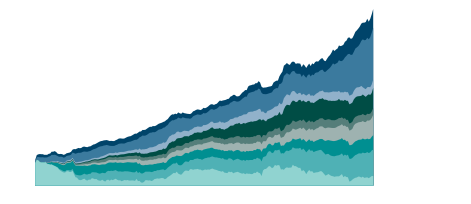
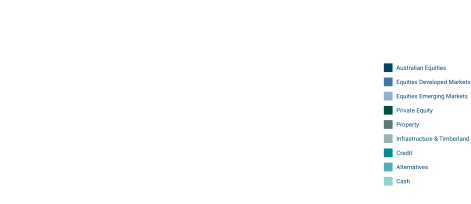
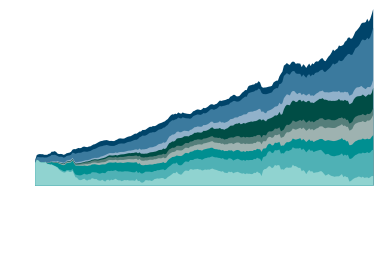
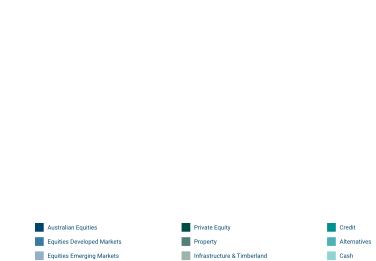
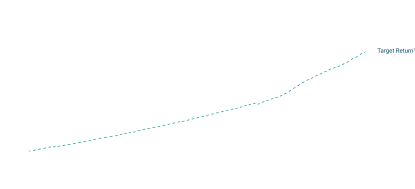
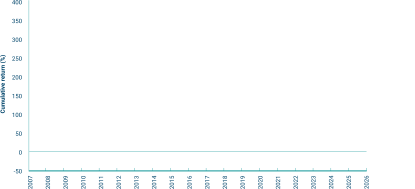
Future Fund Cumulative Performance
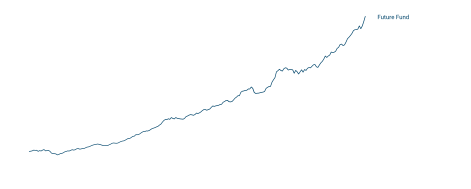
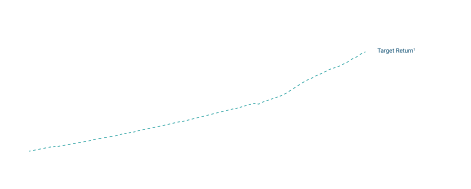
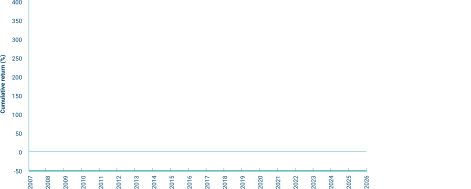
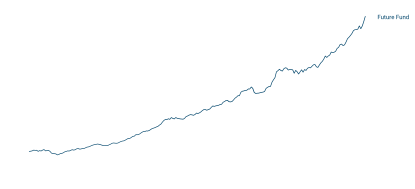
Note(s):
- The Investment Mandate sets a benchmark target return of at least CPI + 4.5% to 5.5% pa to 30 June 2017 and CPI + 4% to 5% pa thereafter.
New appointments to the Board of Guardians and senior leadership
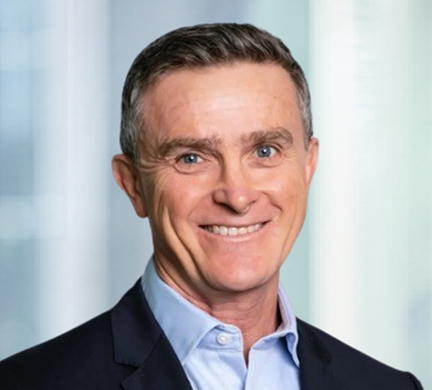
In May, the Australian Government announced the appointment of Ms Fiona Trafford-Walker and Mr Adam Tindall as members of the Future Fund Board of Guardians for five-year terms.
Appointed by the responsible Ministers in accordance with the Future Fund Act 2006, Guardians are selected for their expertise in investing in financial assets, managing investments in assets, and/or corporate governance.
The Board is responsible for determining the investment strategy and overseeing the management of the assets of each fund.
Ms Trafford-Walker commenced her role on 12 May 2026, succeeding Mrs Patricia Cross AM, while Mr Tindall will join the Board in September 2026, succeeding Dr Deborah Ralston at the conclusion of her term.
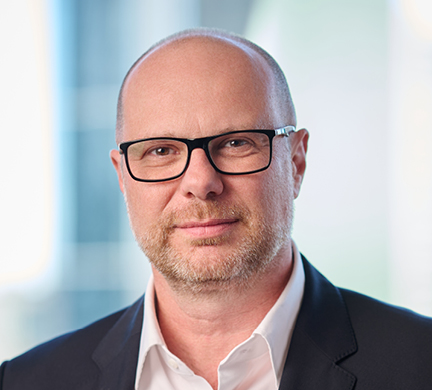
In addition, we also announced the appointment of Richard Brandweiner as the Future Fund’s Chief Investment Officer. Mr Brandweiner commenced his position on 1 July 2026.
Together, these appointments further strengthen our leadership and investment capability, positioning us to continue delivering strong risk-adjusted returns for the benefit of future generations of Australians.

Fiona Trafford-Walker
Guardian
Adam Tindall
Guardian
Richard Brandweiner
Chief
Investment Officer
Investing in resilience through the Future Drought Fund
Established in 2019 with an initial capital contribution of $4.0 billion, the Future Drought Fund provides an ongoing source of funding for programs that help Australian farmers and communities prepare for and respond to future drought conditions.

Each year, the Australian Government makes $100 million available through the Future Drought Fund (FDF) to support initiatives that help farmers, communities and regions prepare for and adapt to drought. Our role is to manage the FDF’s investments in line with its legislated Investment Mandate, balancing risk and return to preserve capital and generate sustainable long-term returns.
The FDF demonstrates the link between long-term investment performance and tangible outcomes, supporting programs that strengthen communities, improve productivity and build resilience across regional Australia.
This impact can be seen in programs delivered across the country, including the Regional Drought Resilience Planning Program, the Farm Business Resilience Program and the Strengthening Drought Resilience on Country Grant Program.
Recognising that there is no one-size-fits-all approach to building drought resilience, the Regional Drought Resilience Planning Program supports communities to develop locally led plans that strengthen resilience, improve climate adaptation and help guide future investment priorities.
The Farm Business Resilience Program provides farmers and land managers with practical skills and knowledge to manage drought and climate risks, strengthen their businesses and support long-term decision-making.
Delivered in 2025–26, the Strengthening Drought Resilience on Country Grant Program places First Nations leadership and knowledge at the centre of building resilience to dry times, supporting place-based, First Nations-led initiatives.
Together, these programs demonstrate how the FDF converts investment returns into practical outcomes that help communities prepare for an uncertain future. By providing a reliable source of long-term funding, the FDF supports initiatives that strengthen productivity, sustainability and resilience across regional Australia, helping communities adapt to a changing climate.
Investing in national priorities
We expanded our exposure to national priorities under the Future Fund’s revised Investment Mandate, which requires that the Board has regard to three national priorities when performing its investment functions.

The three national priorities are:
- Supporting an energy transition as part of the net zero transformation of the Australian economy
- Increasing the supply of residential housing in Australia
- Delivering improved infrastructure located in Australia.
Across housing, energy transition, and infrastructure, our investments in these priority areas reflect a common approach: deploying patient, long-term capital in areas of strategic importance to Australia’s future, while delivering strong risk-adjusted returns.
Over the past year, we have strengthened our focus by building capability across the organisation and directing capital to investments that support both our long-term risk and return objectives and broader economic outcomes.
Supporting the energy transition
We continued to support Australia’s transition to a lower-emissions economy – an example of which is through our investment in Tilt Renewables (Tilt), one of the country’s leading renewable energy operators.
During the year, we made a further investment in Tilt through the acquisition of a portion of AGL Energy’s minority stake, increasing our ownership interest to 43.4%.
Tilt also reached a final investment decision and commenced construction on two wind farm projects, Palmer Wind Farm in South Australia and Waddi Wind Farm in Western Australia.
At 288MW, Palmer Wind Farm will generate enough energy to power up to 142,000 South Australian homes, and at 108MW, Waddi Wind Farm will deliver enough energy to power up to 68,000 homes.
These projects take Tilt to 2.3 GW of generating capacity in operation or under construction, and highlight the scale of investment required to meet Australia’s renewable energy needs.
Tilt now has 12 operational wind, solar and battery assets, two wind farms under construction, and a substantial pipeline of additional assets under development. These investments build on our long-standing commitment to supporting the energy transition through ownership and development of large-scale renewable energy infrastructure.
Increasing housing supply
This year, we made our first investment in Australia’s build-to-rent housing market through our interest in Local, further expanding our exposure to housing-related investment opportunities. Local currently has over 2,154 build-to-rent apartments under management including close to 400 apartments that are leased as social and affordable housing.
We also developed a new strategy focused on residential development financing in Australia. The separately managed account will invest alongside the manager’s loan fund series, including in build-to-sell residential development loans. These short-duration loans finance the construction phase of residential projects, helping to bring additional housing supply to market at a time of ongoing housing shortages.
Investing in Australia’s future infrastructure
The Future Fund now has over $17bn in exposure to Australian domestic infrastructure, spanning a range of sectors including airports, ports, digital and communications infrastructure, energy and timberland.
This includes significant direct investments in Australian airports (Melbourne and Perth), and companies like Transgrid and CDC, which are playing a critical role in strengthening our electricity transmission network, and deepening Australia’s data and digital infrastructure, respectively.
During the year, we continued to support CDC’s growth ambitions through additional equity investment to help execute its business plan. As a result, CDC increased its contracted capacity to more than 1GW, with most of the new capacity expected to become operational in FY28 and FY29.
At the same time, we are broadening our investment in innovative Australian businesses, helping to build the next generation of strategically important industries and infrastructure. This year, we co-invested alongside Blackbird Ventures in Queensland-based Gilmour Space Technologies, gaining exposure to an Australian aerospace company that is developing capabilities across launch vehicles, satellites, advanced manufacturing, and spaceport operations.
Responsible investment: Turning strategy into action
We have long recognised the importance of environmental, social and governance (ESG) and climate factors, integrating these considerations into our investment thinking since inception.

In 2024–25, the Board of Guardians formalised this commitment through a new Responsible Investment Belief and Responsible Investment Policy, establishing a clear framework for how ESG considerations, including climate change, support long-term returns and protect our reputation.
Throughout 2025–26, our focus shifted from strategy development to implementation as we progressed the multi-year plan that will guide the continued evolution of our investment governance, processes and capabilities through to 2027.
A significant milestone this year was the Future Fund becoming a signatory to the Principles for Responsible Investment (PRI), the world’s leading global network of investors committed to understanding how ESG issues affect long-term investment outcomes.
Supported by the United Nations, the PRI brings together more than 5,000 organisations globally that collectively manage or advise on assets worth more than US$120 trillion. By becoming a signatory, we have publicly committed to six internationally recognised principles and have joined a global network dedicated to advancing responsible investment practices.
For the Future Fund, PRI membership provides access to industry-leading guidance, training opportunities and collaboration with peers facing similar long-term investment challenges. It also supports our broader efforts to strengthen responsible investment transparency and prepare for mandatory climate-related financial disclosures.
“It provides a globally recognised framework to test and strengthen how we integrate ESG and climate considerations across the portfolio, while helping us demonstrate – clearly and transparently – how this work supports long-term returns and portfolio resilience,” said Kirsten Simpson, Executive Director, Responsible Investment.
This year also saw continued progress in integrating the Board’s Responsible Investment Belief across the investment portfolio. The Responsible Investment Policy provides the framework for implementing the Board’s approach and reinforces four key pillars of activity:
- Integration
- Stewardship
- Exclusions
- Collaboration.
These pillars are supported by a set of management principles that guide how ESG and climate change considerations are incorporated into investment governance, portfolio design, manager selection, investment decisions and risk management processes.
The Policy also identifies three responsible investment priorities that are progressively being integrated into our investment research, stewardship activities and industry collaboration efforts: climate change, responsible technology, and nature and biodiversity.
As part of this work, the Responsible Investment Team continued to develop the governance frameworks, investment processes and manager oversight practices needed to embed responsible investment considerations more consistently across the investment lifecycle. This included further strengthening the assessment of ESG risks and opportunities in investment manager due diligence and ongoing portfolio monitoring activities.
“Our responsible investment approach is grounded in the belief that understanding ESG and climate-related risks and opportunities is fundamental to building and maintaining a resilient portfolio capable of delivering long-term value,” Kirsten said.
“As the investment environment continues to evolve, we are focused on ensuring our governance, processes and stewardship activities evolve alongside it.”
The progress made during 2025–26 represents another important step in the Future Fund’s responsible investment journey.
By strengthening our governance foundations, embedding responsible investment considerations more deeply into investment decision-making and collaborating with global peers, we are continuing to build a resilient, future-ready portfolio.
Portfolio Resilience in the New Investment Order
Thought Leadership at the Future Fund is about curiosity: exploring different perspectives and drawing out deep insights. We became better investors by challenging assumptions, exchanging views and contributing to discussions and debate across the global investment landscape.

Over the past year, our Thought Leadership program has culminated in the release of two major position papers, released under the banner of Portfolio Resilience. Together, they examine how long-term investors can respond to a rapidly changing investment environment characterised by geopolitical uncertainty, inflation volatility, technological disruption, and structural economic change.
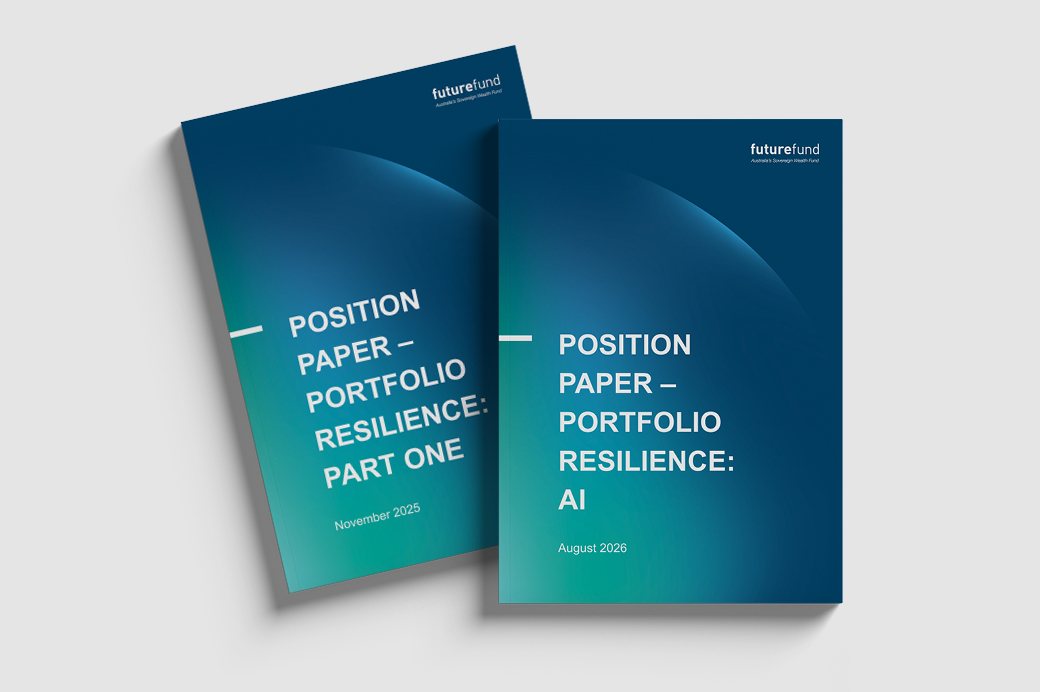
Released in November 2025, Portfolio Resilience: Part One, set out how we’re evolving our investment approach in response to these changes.
Arguing that investors should be cautious about relying too heavily on any single view of the future, the paper outlines an approach that considers a range of short, medium and long-term scenarios, recognising that economic and market outcomes can unfold in many ways.
Using inflation as a case study, the paper shows how we’ve adjusted the portfolio in response to growing risks identified in 2021, demonstrating how assessing vulnerabilities across the entire portfolio can strengthen resilience when conditions change unexpectedly.
More broadly, the paper outlines how we’re seeking to build a portfolio that can meet long-term objectives across a range of possible futures, rather than relying on a specific economic forecast proving to be correct.
The second paper, Portfolio Resilience: AI, was released in August 2026 and explored the investment implications of artificial intelligence, with a focus on how the Future Fund has built exposure across the AI value chain, from semiconductor manufacturers and digital infrastructure providers to software platforms and applications.
Rather than viewing AI as simply a technology trend, the paper considers it one of the defining investment thematics of our lifetime: a transformational force reshaping productivity, economic growth, inflation, labour markets and geopolitics.
As adoption accelerates, AI presents significant opportunities for investors. But the challenges surrounding AI extend beyond gaining exposure to AI; it is about building portfolio resilience in an environment characterised by rapid technological change, associated risks and uncertainty.
Given the pace of technological change and the difficulty of identifying long-term winners, our objective is not to predict which companies or technologies will ultimately prevail, but to build resilient exposure to this investment thematic that will benefit across a range of futures scenarios.
Reflecting on the series, Craig Thorburn, Director – Thought Leadership, said the papers consolidate the Future Fund’s thinking on how long-term investors can respond to a changing environment.
“The Portfolio Resilience position papers bring together how we think about managing identified portfolio vulnerabilities and capturing opportunity in a more complex environment.”
“By setting out our approach in detail, from inflation through to mega-themes like AI, we’re able to test and refine our thinking through engagement with peers and broader industry discussion.”
The Portfolio Resilience series builds on the Future Fund’s earlier contributions to industry debate, including A New Investment Order (2021), The Death of Traditional Portfolio Construction? (2022), and Geopolitics: The Bedrock of the New Investment Order (2024). Collectively, they reflect the view that many of the assumptions underpinning investment returns over the past 30 to 40 years can no longer be relied upon, requiring investors to rethink how portfolios are constructed and managed.
A decade of investment in medical research
The Medical Research Future Fund (MRFF) also celebrated a significant milestone this year, marking 10 years of health and medical research – and a lifetime of impact.

Established in August 2015, the MRFF has grown into a $26.3 billion long-term investment, with earnings used to fund research aligned to national health priorities. Over this period, the MRFF has supported transformative breakthroughs across the health system, with almost $5.0 billion in grants awarded to support life-changing medical research.
While we are responsible for investing funds to ensure the MRFF achieves strong and sustainable financial returns, we do not determine how those funds are allocated, with decisions on grant distribution and research priorities made by the Australian Government.
One of the most promising developments is the Total Artificial Heart, which uses magnetic levitation technology to improve the durability of the device, allowing patients to maintain an active lifestyle and improve their quality of life, offering new hope to Australians living with heart failure.
MRFF funding has also accelerated groundbreaking national research into childhood brain cancers, establishing a national childhood brain cancer clinical trial consortium and allocating fund to early-stage clinical research and the development of new treatments.
In addition to this, the MRFF has supported cutting-edge research in ocular genomics and gene therapy, advancing diagnosis and treatment for inherited eye diseases, alongside ongoing work in stem cell therapies and macular degeneration.
These medical breakthroughs reflect the MRFF’s role in strengthening Australia’s health system, from the lab bench to the bedside.
Under its 10-year Investment Plan, the MRFF continues to support several other high-impact initiatives, including the Indigenous Health Research Fund, the Clinical Trials Activity Initiative, the Dementia, Ageing and Aged Care Mission, the Emerging Priorities and Consumer-Driven Research Initiative, and the Frontier Health and Medical Research Initiative. Collectively, these programs address critical health challenges and drive innovation within the healthcare sector.
As we look ahead, this model of preserving capital while investing earnings ensures the MRFF will continue to back innovative research and deliver for generations to come.
Building sovereign capability through global investment
This year, we strengthened our focus on sovereign capability through a commitment to Arlington Capital Partners Fund VII; our first investment in a private equity manager dedicated to this theme.
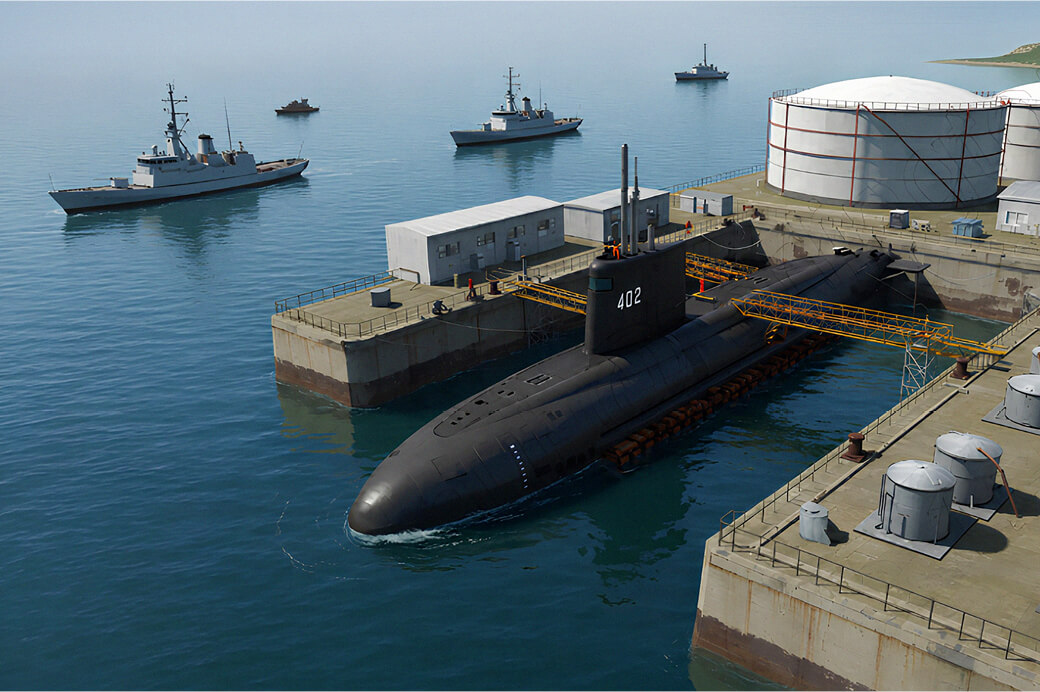
The investment reflects a broader global shift as governments place greater emphasis on capabilities that support national security, economic resilience and public wellbeing. Defence technology, secure supply chains and advanced healthcare are increasingly important in this environment.
Arlington, based in Washington DC, invests in mid-market companies operating in regulated industries aligned with these priorities, including aerospace and defence, government services and technology, and healthcare.
Through this investment, we have gained exposure to businesses that support critical capabilities relevant to Australia and its strategic partners. Arlington’s portfolio includes companies that have operations in Australia including Keel (a submarine module builder), Systems Planning & Analysis (a program manager for AUKUS), and Eptec (Australian specialist engineering and asset preservation company), contributing to both Australian projects and our local economy.
Arlington’s strategy and sector expertise position it to identify opportunities arising from long-term structural and policy trends. This commitment demonstrates how we continue to access global investment opportunities linked to areas of increasing strategic importance.
Collaborating with our global network
As a global investor, we build and maintain strong relationships with partners around the world to access leading investment capabilities, share insights and deepen our understanding of the forces shaping markets.

These connections help strengthen our investment capability and support informed decision-making in an increasingly complex environment.
Throughout the year, we continued to build and contribute to our global network through major forums, bilateral engagements and industry collaborations. During the Australian Government Investment Mission to Indonesia, we worked alongside policy-makers, investors and institutions to strengthen relationships and share expertise, including engagement with Indonesia’s sovereign wealth fund, Danantara, on governance and operational practices.
We also maintained a strong presence in key international networks and forums. Participation in the OECD-Asia SOE Network, the International Forum of Sovereign Wealth Funds, the Investor Leadership Network (ILN), and the International Centre for Pension Management Forum provided opportunities to exchange views on governance, capital deployment, organisational capability and the evolving role of sovereign investors.
As part of our engagement with the ILN, we hosted CEO Amy Hepburn in Melbourne for discussions with leaders from banking, finance, government, asset management and superannuation. Discussions explored long-term challenges facing institutional investors, including climate risk, infrastructure, AI and talent intelligence, and shared practical insights on navigating risk and building capability in a rapidly changing environment.
We also contributed to discussions shaping the future investment landscape through participation in leading international conferences. At the Milken Institute Global Conference, Dr Raphael Arndt, CEO, and Shikha Gupta, Executive Director – Alternatives, joined discussions on market resilience, structural change and the evolving role of institutional capital. At COP30, Kirsten Simpson, Executive Director – Responsible Investment, engaged with global stakeholders on responsible investment and the role of capital in supporting the transition to a lower-carbon economy. Domestically, Greg Combet, Future Fund Chair, engaged with Australian Council of Superannuation Investors, reinforcing our contribution to governance and stewardship discussions within Australia.
This helps drive returns and risk management, and ensures Australia’s voice is represented in conversations influencing the future of global capital.
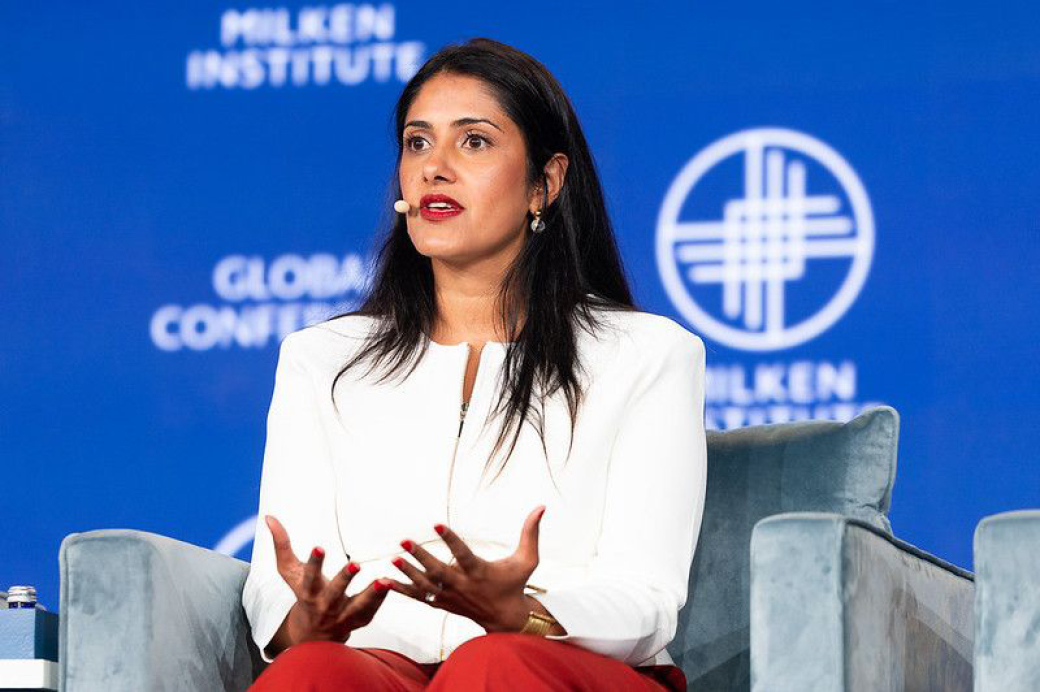
the Future Fund at Milken Institute’s Global Conference, held in Los Angeles.
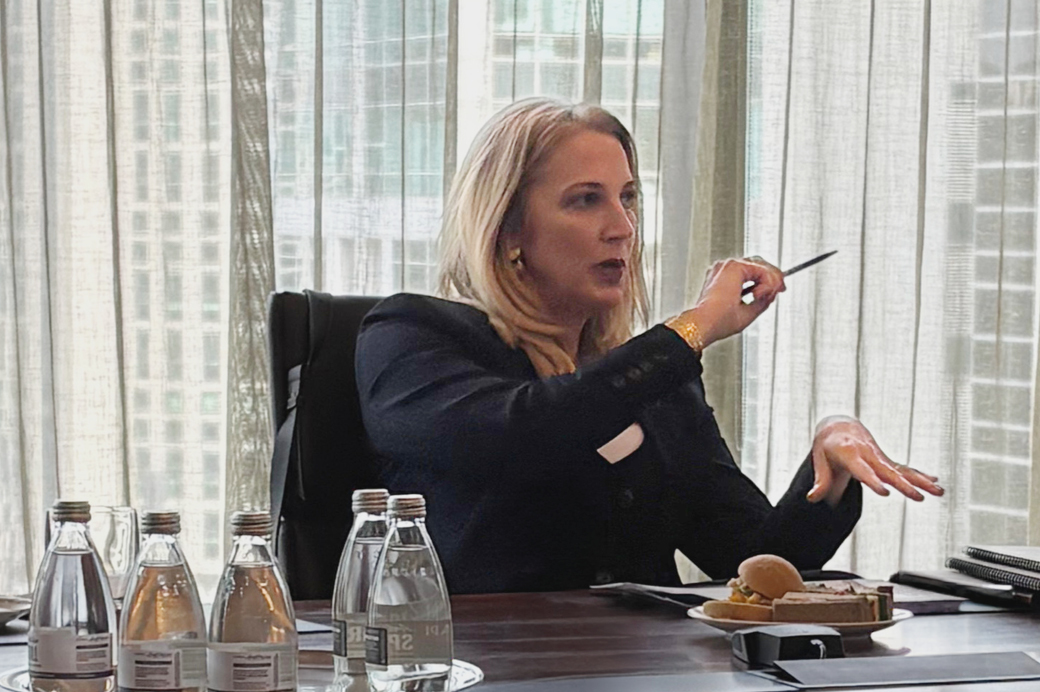
with industry leaders at the Future Fund’s Melbourne office in April 2026.
Recognising the impact of our people
Our people continue to be recognised for their expertise and leadership across the investment industry and broader community.
In February, Shikha Gupta, Executive Director – Alternatives, was elected to the global Board of Trustees and Board of Directors of the Standards Board for Alternative Investments (SBAI). The SBAI promotes best practice standards across alternative investments, including governance, risk management, valuation and disclosure.
This appointment reflects our long-standing engagement with the SBAI and reinforces our position as a respected institutional investor in alternatives. Through this role, we contribute asset owner insights to the development of global standards and industry dialogue.
For the Agency, participation at this level provides an investor perspective in the development of standards that influence how hedge funds operate globally, while helping to ensure those standards reflect the needs of long-term institutional investors.
Michael Bierwirth, Head of HR Governance, Remuneration and Analytics, was selected to participate in the Williamson Community Leadership Program, one of Victoria’s most established leadership development initiatives, which brings together leaders from a range of sectors to address complex community challenges.
Michael reflected on this opportunity and said, “Participating in this program has given me the opportunity to drive positive change and connect with peers across the state. Not only has it deepened my understanding of community issues, but it also helped me strengthen my ability to lead with impact.”

Shikha Gupta
Executive
Director – Alternatives
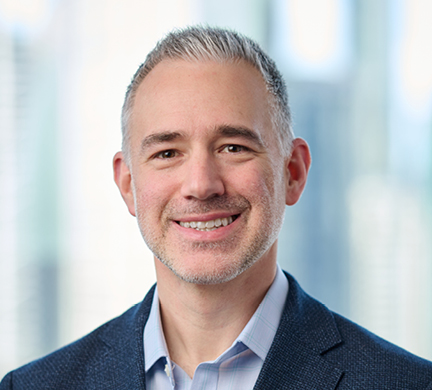
Michael Bierwirth
Head of
HR Governance,
Remuneration and Analytics
Together, these achievements reflect the depth of capability across our organisation and the contribution our people make to industry thinking and community leadership.
Sharing knowledge, strengthening connections
Over the past year, our Lunch and Learn Program continued to play an important role in our employee value proposition, giving staff regular opportunities to learn, connect and broaden their horizons beyond their day-to-day responsibilities.
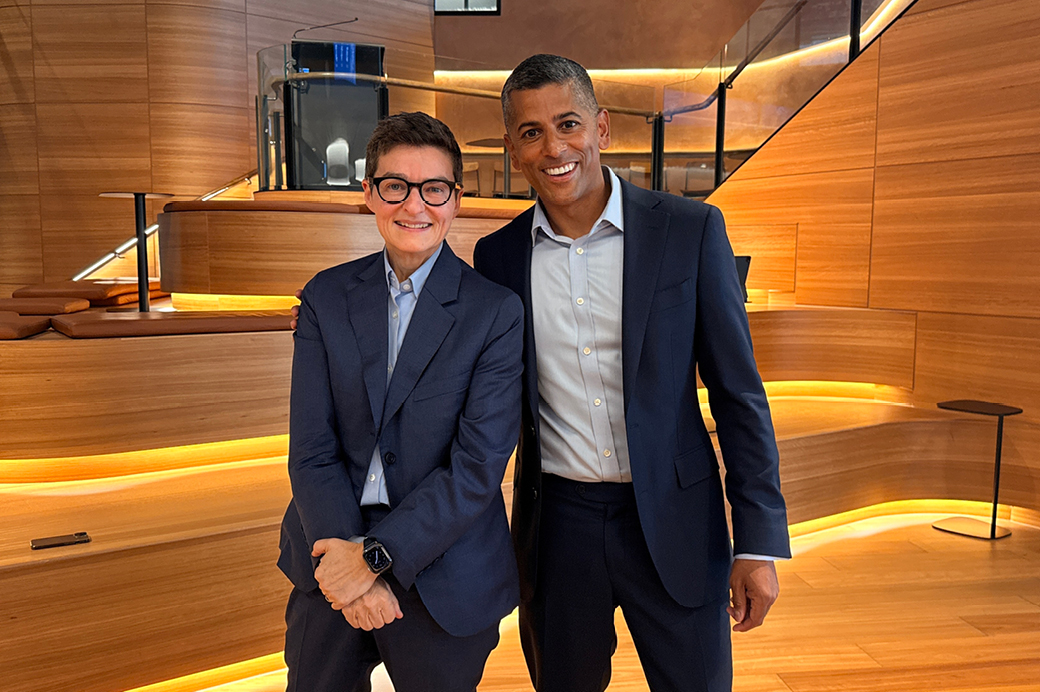
Held across Melbourne and Sydney and accessible virtually, the sessions provide an inclusive forum for staff to engage with colleagues, industry leaders and external partners.
By creating space for knowledge-sharing and open discussion, the program supports continuous learning and helps build a shared understanding of the issues shaping the organisation, the investment industry and the broader operating environment.
This year’s program reflected both the breadth of our work and the strength of our network.
Investment-focused sessions featured insights from partners including Citadel and Man Group, with discussions spanning market dynamics, risk management, leadership, culture and innovation. These sessions provided direct access to global perspectives and practical expertise, reinforcing the value of our long-standing partnerships.
Technology and innovation were also key themes. Sessions on AI explored its rapid evolution and emerging applications, including the rise of agentic AI and its potential implications across industries.
Alongside these topics, the program fostered deeper conversations about culture and inclusion. Sessions on neurodiversity and National Reconciliation Week encouraged discussion on strengthening decision-making, and the role investors play in supporting First Nations communities and managing social risks.
More than a series of presentations, the Lunch and Learn Program reflects our commitment to creating an environment where people can continuously develop, share ideas and learn from a diverse range of voices.
By connecting staff with leading thinkers, industry experts and one another, the program continues to strengthen capability, curiosity and collaboration across the organisation.
A strategic approach to harnessing AI
In 2025–26, we strengthened our strategic approach to AI through the introduction of a comprehensive AI Strategy. The AI Strategy forms the basis of an Agency-wide AI Program commencing in 2026–27, and is a natural evolution from our Knowledge Management Program.

This marks a significant shift from experimentation to a coordinated approach focused on delivering measurable value while managing risk appropriately.
While AI supports our work in practical ways, such as helping our people find information faster, analyse data more efficiently and spend more time on higher-value activities, it is a tool that enhances productivity, rather than replacing human decisionmaking and judgement. Platforms such as LUMi, our in-house AI platform, Copilot and other AI-enabled tools have demonstrated the potential of AI when applied thoughtfully and responsibly.
Building on these early successes in the Knowledge Management Program, the AI Program provides a clear framework for scaling AI adoption across the Agency in a structured and responsible way. It brings together existing initiatives, strengthens governance and capability, and shifts our focus from exploration to delivery.
“At a high level, we’re designing a coordinated yet agile approach to apply AI-driven knowledge, collective intelligence and automation to support our people to improve investment outcomes, while remaining aligned with our values, responsibilities and government guidance,” said Gordon McKellar, Chief Operating Officer and Chief AI Officer.
The program is centred on four strategic priorities:
- Enhance investment outcomes
- Instil trust
- Empower our people
- Advance our capabilities.
To support delivery, we established dedicated leadership roles across each priority area to guide the adoption, governance and scaling of AI across the Agency. This creates clearer accountability and helps teams apply AI consistently and effectively in their day-to-day work.
For our people, the program provides practical direction on how AI can improve decision-making, reduce manual effort and surface insights more efficiently.
As AI becomes increasingly embedded in our ways of working, we are encouraging a mindset of curiosity and continuous improvement – identifying where approved tools can have the greatest impact and rethinking how work is done.
Through ongoing experimentation, learning and practical application, we will continue to build capability, strengthen confidence and unlock greater value over time.
AI has significant potential to enhance how we operate and invest. By applying it responsibly and focusing on areas where it can make the greatest difference, we are strengthening investment outcomes and supporting better decision-making across the Agency.
Future talent, current impact: 2026 Winter Internship Program
In July, we delivered the third iteration of our Winter Internship Program, continuing to invest in future talent while creating valuable opportunities for learning, collaboration and knowledge-sharing across the Agency.
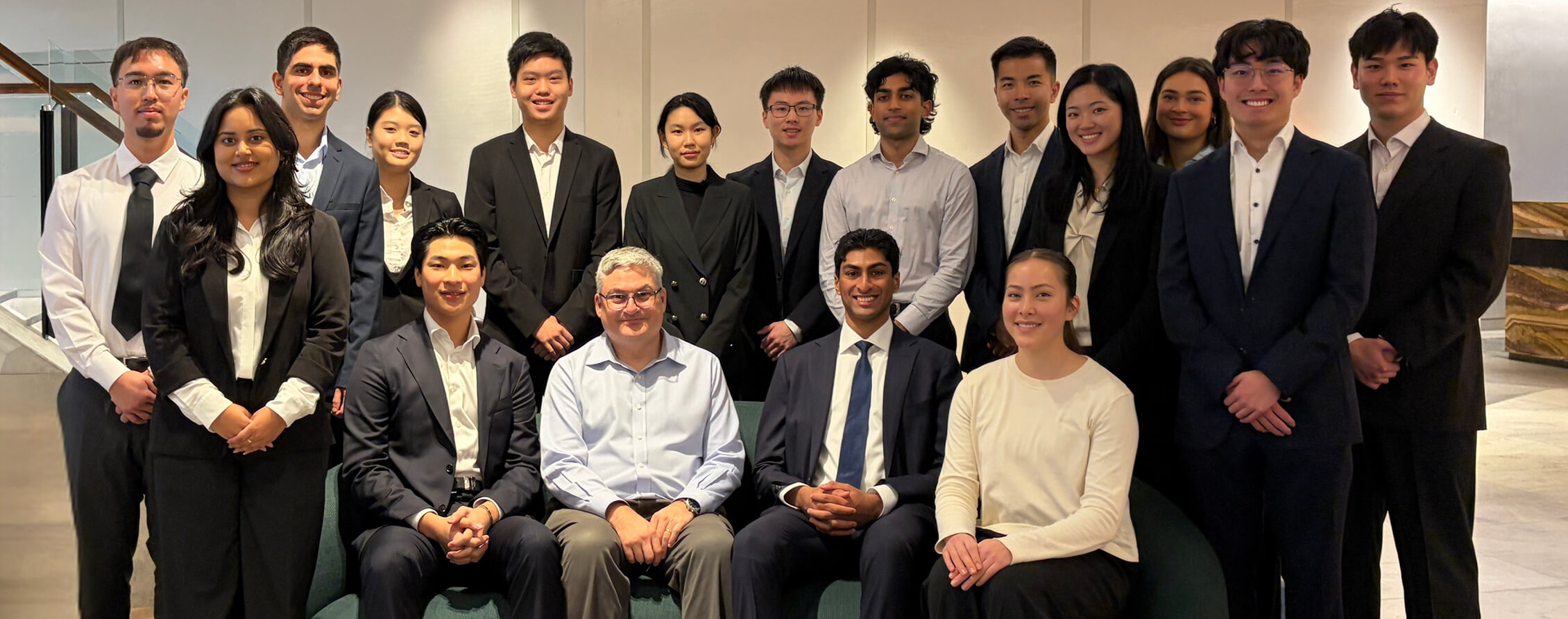
Over four weeks, 16 high-performing students from leading Australian universities joined us, bringing diverse perspectives from disciplines including finance, economics, law, data science and technology.
Interns were embedded across teams spanning Private Equity, Credit, Responsible Investment, Economics and Capital Markets, Dynamic Asset Allocation, Finance, Risk, Corporate Affairs, Project Services and Technology, gaining first-hand insight into how the Future Fund delivers on our purpose through meaningful work and day-to-day collaboration.
The program is as much about our people as it is about our interns. By pairing students with experienced colleagues, it creates opportunities for mentoring and leadership development, while encouraging fresh thinking across teams.
Interns brought curiosity, energy and enthusiasm, while teams shared deep expertise and experience.
A structured program of learning complemented this experience, including a Future Fund Academy workshop on presentation skills and a panel discussion on global economic trends. The interns also participated in an “Ask Me Anything” session with Greg Combet, Future Fund Chair, who shared insights on leadership, career pathways and the role the Future Fund plays in delivering on our purpose.
Reflecting on her experience with the Corporate Affairs Team, intern Aaliya Naqvi said, “What stood out most during the program was how generous people were with their time and expertise. Whether within my team or across the Agency, everyone was willing to share their knowledge and experiences, helping me better understand how different functions work together to deliver on the Future Fund’s purpose.”
The program also featured a new addition: the Future of Technology stream. John Campanaro, Talent Acquisition Lead, said the stream reflects the Agency’s preparedness for the future, “The Future of Technology stream reflects the growing importance of emerging technologies in the way we think about long-term investing.
The stream provides students with exposure to some of the trends reshaping global markets while contributing to meaningful work across the Fund. It embodies our Futureminded approach, offering early-career talent the opportunity to learn, innovate and help shape the future alongside us.”
The program concluded with final presentations, where interns showcased their projects, reflected on their experiences and shared key insights with colleagues and Agency leaders.
The cohort left with practical experience, expanded professional networks and a deeper understanding of how their skills can contribute to a purpose-driven organisation.
The impact of the program extends beyond the four-week experience. This year, we were pleased to make offers of employment to two former 2025 winter interns, Ryan Huynh and Leigh Murray, for ongoing analyst roles, highlighting the importance of the program in strengthening our future talent pipeline while reinforcing the value of continuous learning and investing in the next generation of professionals.
Building understanding through Jawun secondment
As part of the Agency’s commitment to reconciliation and cultural understanding, we offer staff the opportunity to participate in the Jawun Secondment Program, an immersive six-week professional and cultural development experience.

Secondees work alongside Aboriginal and Torres Strait Islander organisations, sharing their professional skills while gaining valuable insights into culture, community and leadership.
Tracey Williams, Head of Employee Experience completed a Jawun secondment in Western Australia, working with organisations across the Noongar Nation. Over several weeks, she gained firsthand insight into resilience and the power of collaboration, deepening her understanding of Aboriginal governance, community priorities and the role of partnerships in supporting long-term outcomes.
Her placement included engagement with organisations involved in Australia’s largest native title settlement, spanning approximately 200,000 square kilometres from Jurien Bay in the north to Margaret River in the south. Through this experience, she observed governance structures that balance traditional cultural authority with contemporary corporate and community leadership models.
A particularly significant aspect of the secondment was visiting a former mission site that was once home to hundreds of children during the Stolen Generations.
Reflecting on the experience, Tracey said, “Visiting the site was a moving experience. Today, it is being restored through a community-led process of remembrance, reconciliation and renewal, offering a powerful symbol of healing and hope.”
She also spoke of the impact of hearing stories of resilience and recovery from community members, reinforcing the importance of reconciliation as an ongoing commitment.
Alongside the cultural learning, Tracey contributed to several organisational projects, including a major operating model review for the South West Aboriginal Land and Sea Council and human resources initiatives for Aboriginal health organisation Moorditj Koort, supporting leadership recruitment and organisational change activities.

Our participation in Jawun forms part of the Agency’s Indigenous Strategy and supports the objective of promoting and celebrating Aboriginal and Torres Strait Islander history, heritage and culture.
Jen Dearn, Director – Sustainability Communications and Indigenous Strategy Project Lead, said, “Experiences like Jawun reinforce the importance of cultural competence and adaptability. They are a powerful way to strengthen our reconciliation journey by building cultural understanding and mutual respect.”
Celebrating career milestones
Our people are central to our success. We are committed to creating an environment where individuals can build their capabilities, take on new opportunities and contribute meaningfully to the organisation’s long-term objectives.
In 2025–26, we celebrated a number of colleagues who reached important career milestones. Some marked 10 and 15 years of service with the Future Fund, while others were promoted or took the next step in their careers through internal advancement. Together, these achievements reflect the dedication, expertise and growth of our people during a period of continued evolution across markets, investment priorities and the organisation itself.
Many of these colleagues have embraced new challenges, expanded their skills and grown alongside the Future Fund. Their achievements demonstrate both the depth of experience that comes with long tenure and the opportunities available to develop and progress within the organisation.
Whether bringing the perspective gained through years of service or stepping into new leadership and specialist roles, these colleagues make an important contribution to our success. Their commitment, adaptability and willingness to challenge existing thinking help strengthen our culture, support better ways of working and ensure we remain focused on delivering our purpose over the long term.
Promotions:
- Olivia Aiken
- Debbie Caldwell
- Shamal Chand
- Gillian Denison
- Viviene Ding
- Megan Ford
- Michael Henderson
- Sam Hurley
- Muskan Mahajan
- Simon Murray
- Dean Paganis
- Karel Tan
- Michelle Te
- Joshua Underhill
- Kim Vu
- Vivian Yu
15 years:
- Rosanna Crane
- Sam Killmier
- Phil Lyon
- James White
10 years:
- Victoria Galatis
- Michael Ioannidis
- Ben Kakoschke
- Seema Lal
- Julie McArdle
- Louise Pride
- Joshua Underhill
- Esther Yeong